Calming Evening Tea Blends: Herbs, Recipes and a Wind-Down Ritual

Calming Evening Tea Blends: Herbs, Recipes and a Wind-Down Ritual
-

10 November 2026

 صفّ ذهنيلضباب الساعة 3 العصر.
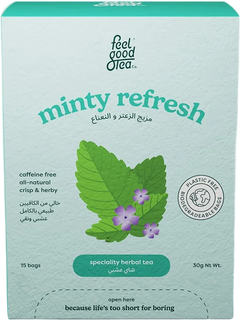 ونّسنيوردي، فواكه، وزيادة شوي.
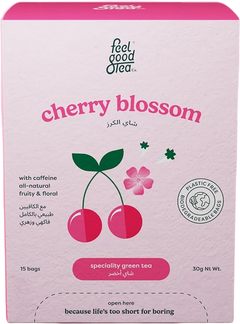 صحّنيللصباحات اللي تبدأ بدون ما تستأذن.
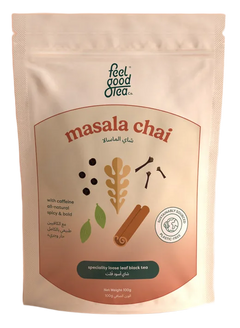
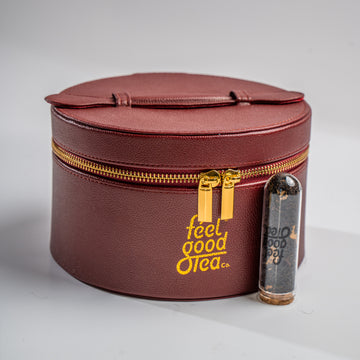
كل بوكس ينكتب عليه اسمهم. ويوصل دبي خلال 1–3 ساعات.
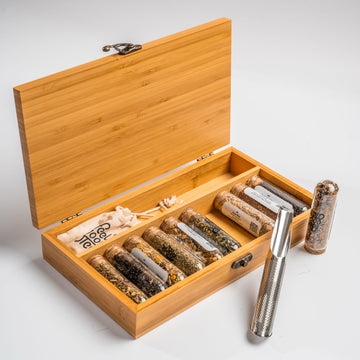
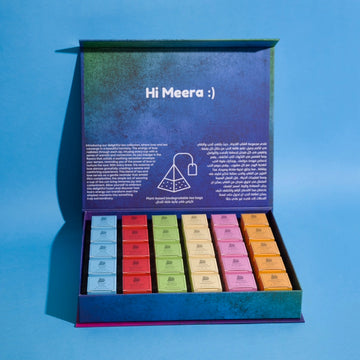

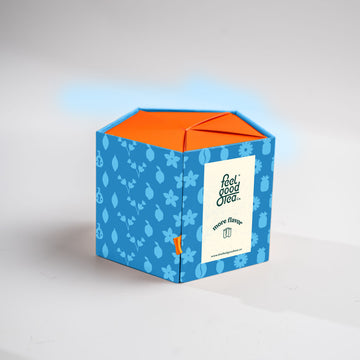
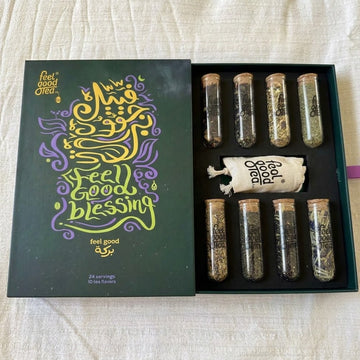




قول له كيف كان يومك. هو يختار لك اللي يعدّل مزاجك. وما يحكم عليك. (هو روبوت.)
10 November 2026
Last Updated: November 10, 2026
Quick Summary
a calming evening tea blend is one base herb plus one or two supporting herbs: chamomile with lemon balm for a soft, floral wind-down cup, or peppermint, ginger and fennel for a fresh after-dinner cup. use about 1.5 g of blend per 200 ml of water, steep covered for five to seven minutes at 90-95°C, and make it part of your evening ritual 30 to 60 minutes before bed.
a warm cup at the end of the day is one of the easiest rituals there is. kettle on, lights down, phone away, and a few quiet minutes with something that smells good. this guide covers which herbs to mix, three easy recipes, how to brew them, and how to turn the cup into a cosy wind-down.
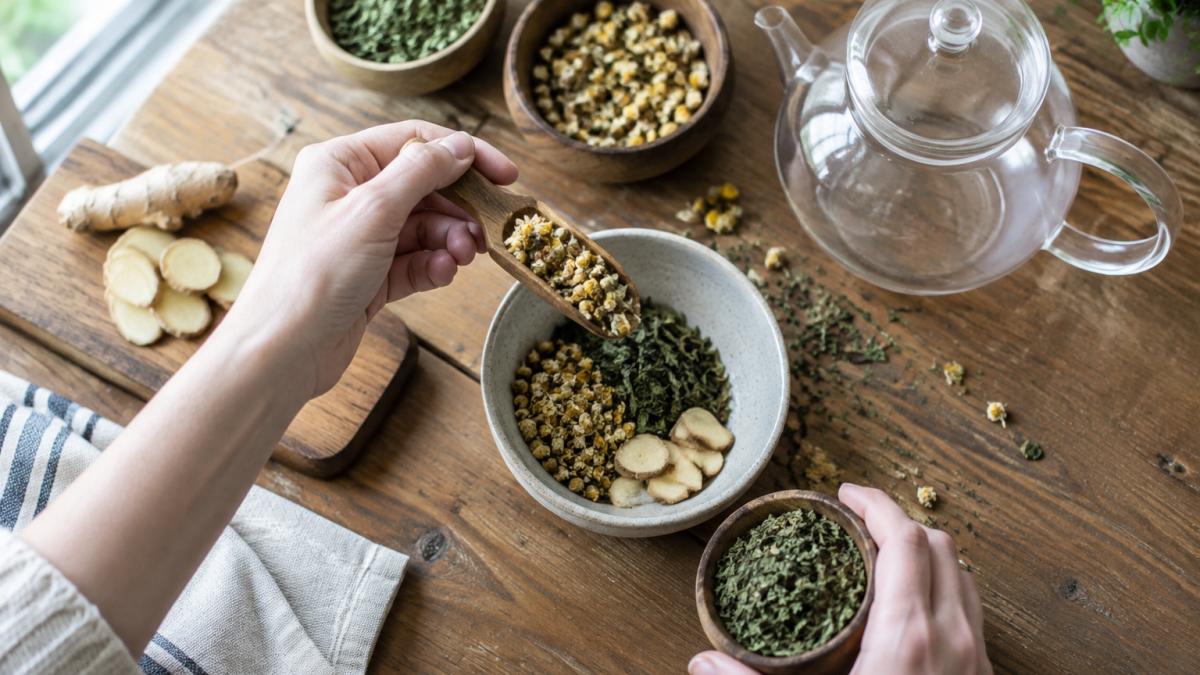
making herbal tea blends at home is simple: pick a base herb, add one or two supporting herbs, measure by weight or spoon, and store in an airtight jar. no special kit needed. a digital kitchen scale, a bowl, a spoon and clean glass jars will do.
the three steps below cover choosing your herbs, building a repeatable recipe, and keeping the blend fresh.
start with one herb that matches the cup you want. this is your base, and it makes up most of the blend.
a good starting rule is two parts base herb to one part supporting herb by weight. so for an evening blend, use 10 g of dried chamomile to 5 g of dried lemon balm. that makes roughly 15 g of blend, enough for about 10 cups at 1.5 g per cup.
weigh your herbs into a bowl and mix gently with a dry spoon. write the recipe down (the exact weights, the date, any notes) so you can repeat or tweak it later. a simple label on the jar is enough.
three starting recipes, each making about 15 g of blend (roughly 10 cups):
for one cup, use about 1.5 g of the blend per 200 ml of water, roughly one heaped teaspoon for fluffy herbs or a level teaspoon for dense roots. steep covered for five to seven minutes at 90-95°C. boiling water straight onto delicate flowers can make the cup harsh, so let the kettle rest for a minute first. covering the cup keeps the aroma in.
watch out: steeping ginger and peppermint too long turns the cup bitter. set a timer the first few times until you know your blend.
store the blend in an airtight glass jar away from sunlight and heat. keep a small amount in a counter jar and the rest in a cupboard, and write the mix date on the lid.
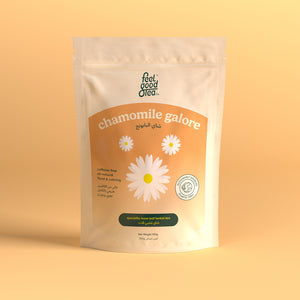
if you would rather skip the measuring, our herbal tea collection has blends built around these herbs. for a pure chamomile cup, chamomile galore loose leaf keeps things simple.

the three recipes at a glance:
| Blend | Ingredients | When |
|---|---|---|
| evening wind-down | 10 g chamomile flowers, 5 g lemon balm leaves | evening |
| after-dinner fresh | 8 g peppermint leaves, 4 g ginger root, 3 g fennel seed | after dinner |
| dual-purpose cup | 8 g chamomile flowers, 4 g ginger root, 3 g lemon balm leaves | both |
not every evening herb deserves a spot in your cup. these are the ones with a long tradition in the teapot.
chamomile is the classic evening herb: mild, floral and easy to like. lemon balm adds a soft citrus note. passionflower and valerian root have a stronger character. lavender brings a fragrant aroma, and a little goes a long way.
one honest note: valerian has a strong, earthy taste that not everyone loves. try a small amount before committing to a full jar.
after a big meal, most people want something fresh or warming rather than heavy. pick by flavour: peppermint for cool and crisp, ginger for warm and spicy, fennel for a soft, sweet anise note.
sip your cup slowly after eating, and keep it unsweetened if you like a cleaner taste.
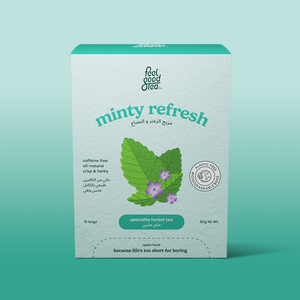
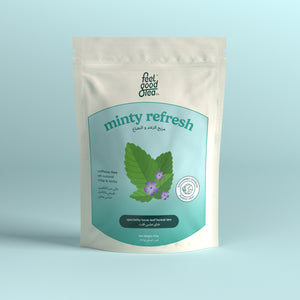
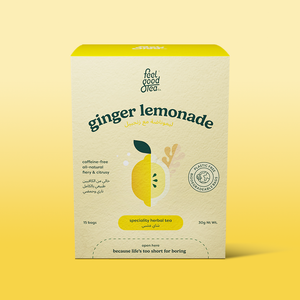
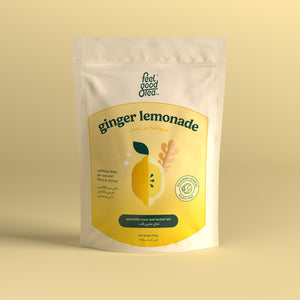
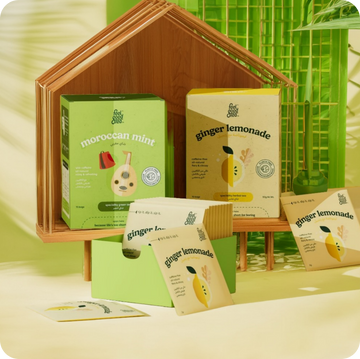
our minty refresh tea bags (peppermint and thyme) are an easy mint option after dinner. if you prefer something warming, the ginger lemonade tea bags bring lemon and spice with a bright, fiery edge.


let the cup cool to a comfortable warmth before drinking, and check the label of any blend before buying it.
brew your evening tea 30 to 60 minutes before you get into bed, as part of a wind-down routine.
a simple evening routine looks like this:
skip the cup right as you lie down. that usually means a bathroom trip at 2 a.m. give yourself that buffer window.
a few cautions are worth knowing before drinking herbal teas.
also read the label. a blend should list its ingredients clearly, with no hidden caffeine. if you want a caffeine-free evening cup, check that the blend contains no black or green tea.
the easiest way to start is to skip the guesswork and build a bundle. pick one calming blend for the evening and one fresh blend for after dinner, and you have a whole evening ritual in one order.
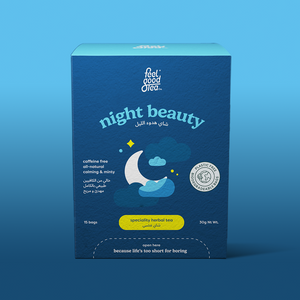
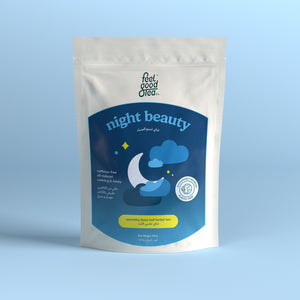
build a bundle lets you mix and match blends to suit your mood. for a ready-made starting point, night beauty (chamomile, citrus and a hint of mint) is our calm-me-down pick for the evening cup. it comes as tea bags and loose leaf.

building an evening ritual takes a little trial and error, but the payoff is a cosy wind-down you actually look forward to. pick your evening and after-dinner blends, build a bundle, and let a good cup do the rest. mood: boosted.
chamomile is the classic evening herb: mild, floral and naturally caffeine-free. a blend of chamomile with a little ginger and lemon balm works as an evening cup and an after-dinner one. our night beauty mixes chamomile, citrus and a hint of mint.
about 45 to 60 minutes before bed. that gives you time to finish the cup slowly and visit the bathroom before you turn in. sipping it as part of a wind-down routine is what turns a cup into a ritual.
check the label. some blends sold for the evening include green tea or matcha, which contain caffeine. a fully caffeine-free blend lists only herbs, flowers, fruit or spices, with no black, green or white tea.
for most people, a cup of chamomile, lemon balm or rooibos in the evening is fine. cautions apply to specific herbs and specific people. if you are pregnant, breastfeeding, taking medication or managing a health condition, check with a pharmacist or doctor before making herbal infusions a nightly habit.
