Natural Caffeine Free Tea Blends UAE for Every Evening

Natural Caffeine Free Tea Blends UAE for Every Evening
-

10 November 2026

 clear my headfor the 3 pm fog.
 cheer me uppink, fruity, a little extra.
 wake me upfor mornings that start without asking.
every box takes their name. Dubai gets it in 1–3 hours.


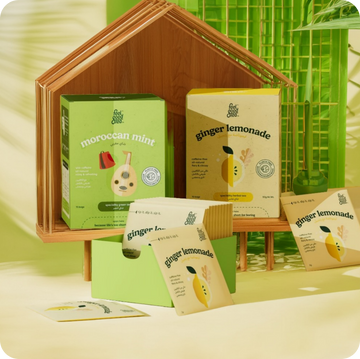
tell it how today went. it picks your boost. it does not judge. (it's a robot.)
10 November 2026
Last Updated: November 1, 2026
Quick Summary
Natural caffeine free tea is an infusion made from herbs, flowers, roots, spices or fruit rather than tea plant leaves, so it contains no caffeine at all. Unlike decaffeinated tea, which comes from real tea leaves with caffeine removed, a caffeine free tea blend never contained caffeine in the first place.
Most people reach for a cup of tea without thinking about what is in it. Then 11pm arrives, and the last thing they want is more caffeine. Natural caffeine free tea blends are the easy swap, but only if you know what you are actually drinking.
Caffeine-free tea is an infusion made from herbs, flowers, roots, spices or fruit rather than from the leaves of the tea plant, so it contains no caffeine at all. That distinction matters more than most packaging admits.
At Feel Good Tea Co., we build our caffeine-free range around that single idea: a cup that tastes like something worth sitting down for, without the jitter that follows. Below, we break down the blends worth your shelf space, how to brew them properly, and what the label is really telling you.
These two terms get used interchangeably, and they should not be. Decaffeinated tea is made from real tea leaves that have had caffeine removed through a chemical or water-based process, while caffeine-free tea never contained caffeine in the first place.
That is the whole difference, and it changes what you are tasting. Decaffeination strips some of the leaf's character along with the caffeine, which is why decaf black tea often reads flatter than the original. A herbal infusion starts from ingredients that were never caffeinated, so nothing has been taken away.
Watch out: decaf still contains trace caffeine, usually a small fraction of the original. If you are avoiding caffeine completely, a tisane made from chamomile, rooibos or mint is the safer choice.
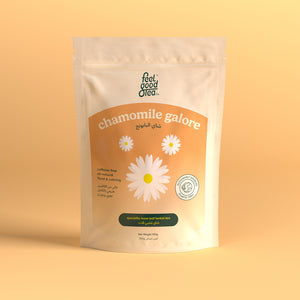
Chamomile is the obvious starting point, and it earns the reputation. A good chamomile blend is floral and slightly sweet, and it makes a pleasant evening cup. Our Chamomile Galore loose leaf is a soothing chamomile blend.

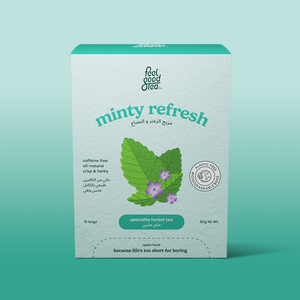
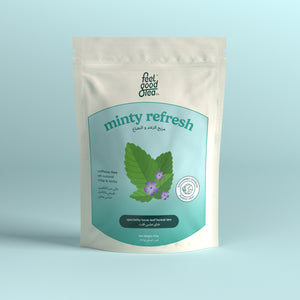
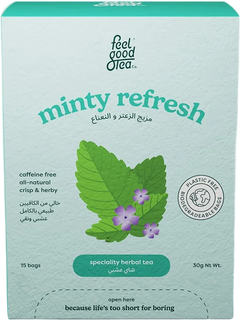
Mint is the other essential. Our Minty Refresh pairs peppermint with thyme for a cool, crisp, herbal cup.
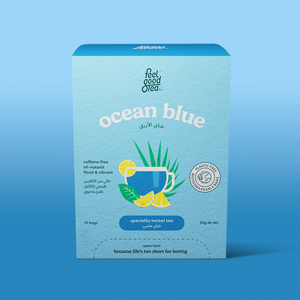
For something less expected, butterfly pea flower with lemongrass brews a deep blue and tastes bright and citrusy. Our Ocean Blue is exactly that blend, and it is the one most likely to make a guest ask what they are drinking.
Rooibos brews a reddish-amber cup with a warm, slightly sweet, woody flavour that takes milk well.
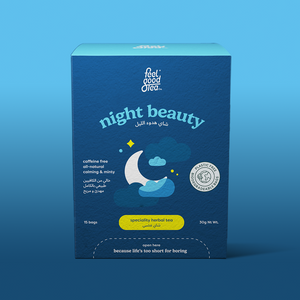
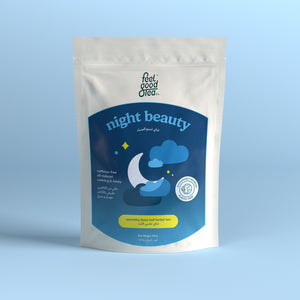
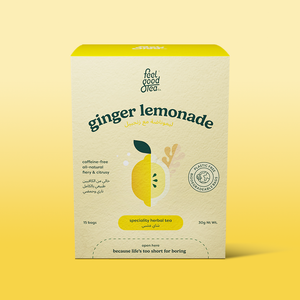
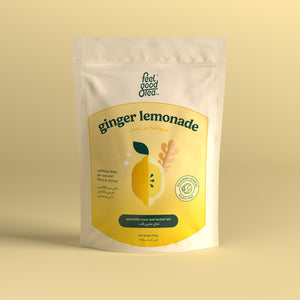
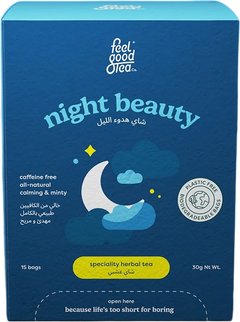
Ginger and lemon is the other workhorse. A fiery ginger blend with citrus and spices is what we reach for on a cool evening. Our Night Beauty tea bags combine chamomile, citrus and a hint of mint for an evening cup.

| Blend | Flavour Profile | Best Moment |
|---|---|---|
| Chamomile | Floral, gently sweet | Before bed |
| Peppermint and thyme | Cool, crisp, herbal | After dinner |
| Rooibos | Warm, woody, lightly sweet | Afternoon with milk |
| Ginger and lemon | Fiery, citrusy, spiced | Post-meal |
| Butterfly pea and lemongrass | Bright, citrusy, floral | Iced or evening |
| Hibiscus | Tart, fruity, ruby-red | Iced in warm weather |
Herbal infusions need boiling water and more time than tea leaves, because the ingredients are tougher: roots, bark and dried flowers release their flavour slowly.
Use one heaped teaspoon of loose leaf per cup, or one tea bag, and pour water at a full boil. Then wait. Five to seven minutes is the sweet spot for most herbal blends. Under three minutes and you get coloured water.
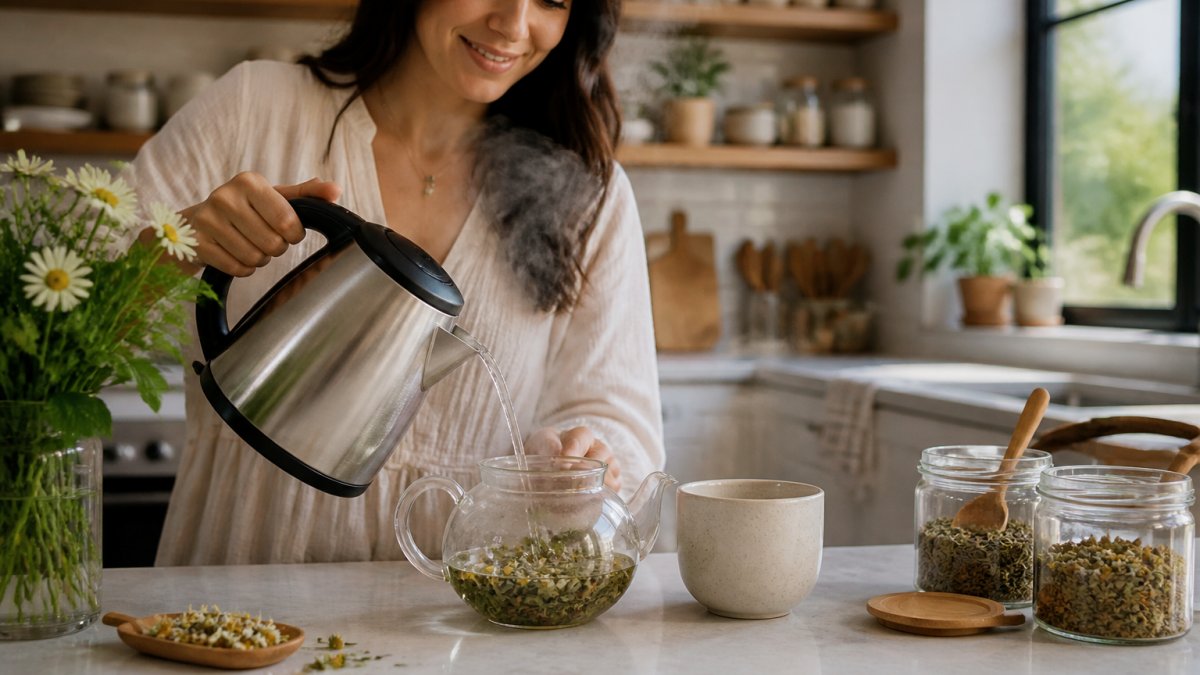
A common mistake is squeezing the bag against the side of the cup. It releases bitterness rather than flavour. Lift it out and let it drain.
No infuser? You can brew loose leaf in a mug and strain it through a small sieve, or follow our guide on how to brew loose leaf tea without an infuser. If you brew daily, our roundup of the best tea accessories for daily brewers covers the few tools actually worth owning.
Not every caffeine-free blend wants the same treatment. The table below gives a starting point you can adjust to taste.
| Blend | Water temperature | Steep time | Serving note |
|---|---|---|---|
| Chamomile | Full boil (around 100°C) | 5-7 minutes | Cover the cup while steeping to keep the floral aromatics in; drink plain or with a little honey |
| Peppermint and thyme | Full boil | 5-6 minutes | Best after dinner; a squeeze of lemon lifts the thyme |
| Rooibos | Full boil | 5-7 minutes | Takes milk well; never turns bitter if left longer |
| Ginger and lemon | Full boil | 7-10 minutes | Longer steep for a fiery cup; add honey once the cup has cooled slightly |
| Butterfly pea and lemongrass | Full boil | 4-6 minutes | Serve iced in warm weather; a drop of lemon shifts the colour |
| Hibiscus | Full boil | 5-8 minutes | Excellent iced; tart enough that it needs no sugar |
Serve herbal infusions hot in a pre-warmed cup, or brew a stronger concentrate and pour it over ice for a cold drink. Rooibos and hibiscus both hold up well iced; delicate floral blends lose their aroma quickly when chilled, so drink them hot.
Store loose leaf in an airtight container in a cool, dry place away from light and heat.
The front of the box is marketing. The back is where the truth lives. A caffeine-free blend lists only herbs, flowers, spices or fruit in its ingredients, with no mention of green tea, black tea, oolong or matcha.
Read the ingredient list in order. Ingredients appear by weight, so a “chamomile blend” that lists chamomile last is mostly something else. Look for single-ingredient blends when you want clarity.
Then check the caffeine claim itself. “Caffeine-free” and “naturally caffeine-free” are stronger statements than “decaffeinated.” If the pack says decaffeinated, it came from tea leaves and may still hold trace amounts.
Cross-contamination. If you are avoiding caffeine strictly, check whether the seller states how blends are packed, since a caffeine-free blend can pick up traces if it shares a packing line with caffeinated teas.
Ingredient transparency. A good label names the plant part, not just the plant, and lists added flavourings, sweeteners, or fruit pieces clearly.
The decaf loophole. “Decaffeinated” is a process claim, not a zero-caffeine guarantee. Most decaffeination methods leave a small residue, typically a fraction of the original caffeine content. If your reason for avoiding caffeine is medical or you are pregnant, check with a qualified healthcare professional before relying on any packaged product.
Start with the moment, not the flavour. If you want a cup that helps you wind down, chamomile or a chamomile-citrus blend is the sensible first buy. If you want something to replace your afternoon tea with milk, rooibos is the closer match. If you want a cup with a bit of bite after dinner, ginger and lemon earns its spot.
Buy one blend at a time until you know what you like. A build-a-bundle is a good way to try several without committing to a full pack of each, and it doubles as a gift when you find a blend a friend would love.
Any infusion made from plants other than the Camellia sinensis bush is naturally caffeine-free. That covers chamomile, peppermint, rooibos, hibiscus, ginger, lemongrass, butterfly pea flower and fruit blends. Check the ingredient list rather than the front of the pack: a blend that mixes in black or green tea leaves will carry caffeine even if it is marketed as a relaxing evening drink.
Decaffeinated tea starts as real tea leaves and goes through a process that removes most of the caffeine, usually leaving a small residue. Naturally caffeine-free tea never contained caffeine in the first place because it is made from herbs, flowers, roots or fruit rather than tea leaves. If you want zero caffeine rather than a reduced amount, choose a herbal infusion such as chamomile or peppermint. This distinction matters most for late-evening drinking and for anyone sensitive to even small amounts of caffeine.
Yes. Rooibos comes from the Aspalathus linearis shrub, not from the tea plant, so it contains no caffeine at all. It brews into a reddish-amber cup with a slightly sweet, woody flavour that takes milk well.
Most herbal infusions need 5 to 7 minutes in water just off the boil to draw out full flavour, while delicate floral blends such as chamomile are ready in 3 to 5 minutes.
Daily drinking is fine for most people, but variety is the safer habit. Some herbs, including valerian and large amounts of liquorice root, are better kept occasional, and anyone pregnant, breastfeeding or taking medication should check specific herbs with a pharmacist. Rotating between chamomile, peppermint, rooibos and ginger spreads your intake across different plants. Keep an eye on how you feel: if a blend leaves you drowsy in the morning or unsettled, move it to the evening.
Feel Good Tea Co. builds blends designed for the evening, packed in beautiful boxes and delivered to your door, with build-a-bundle options so you can mix exactly the cups you want. Browse the full range and find your next evening ritual. Shop all and see what belongs in your cupboard.
